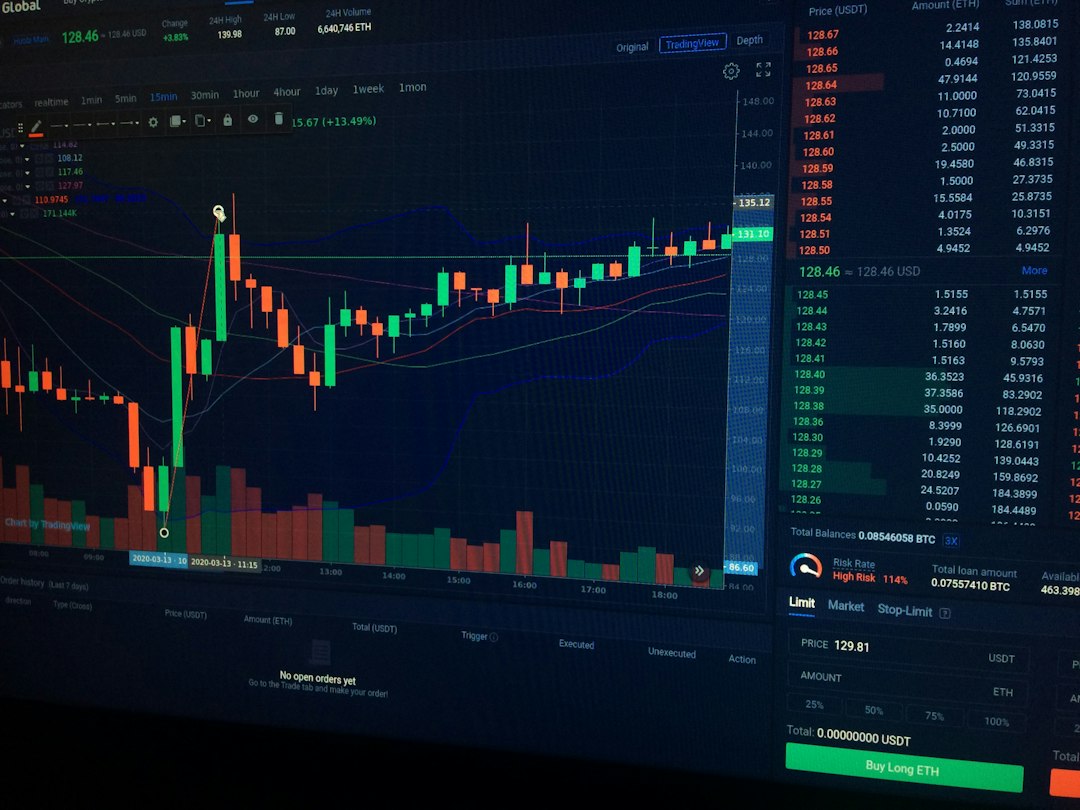
Modern currency trading depends on timely market information, organized analysis, and disciplined execution. A suitable trading platform brings these activities together so traders can study price movements without constantly switching between different tools. forex trading mt4 provides an integrated environment where chart analysis, order management, technical indicators, automated strategies, alerts, and account monitoring can be handled within the same platform. MetaTrader 4 documentation describes the platform as supporting interactive charts, technical indicators, multiple order types, automated trading, mobile access, and market information.
In This Article
- Interactive Charts Make Market Data Easier to Study
- Technical Indicators Support Structured Analysis
- Multiple Order Types Improve Trading Flexibility
- Expert Advisors Bring Automation Into the Workflow
- Strategy Testing Helps Examine Trading Logic
- Alerts Help Traders Monitor Important Conditions
- Market Watch Keeps Relevant Instruments Accessible
- Account History Supports Performance Review
- Mobile Access Extends Market Monitoring
- Customization Creates a More Efficient Workspace
- Why Feature Knowledge Matters
- Final Thoughts
Interactive Charts Make Market Data Easier to Study
Charts are among the most important resources for technical traders because they turn price information into a visual format. MT4 provides interactive charts that allow traders to examine currency movements across different periods. The platform supports multiple chart timeframes, enabling users to move from broader market structures toward shorter-term price activity.
This flexibility can make market observation more systematic. A trader may begin by studying the broader direction of a currency pair before examining shorter movements around a potential trading area. Charts can also be customized with indicators and analytical objects, helping users create a workspace that matches their preferred research process.
Another useful feature is the ability to keep several charts available for comparison. Instead of viewing one market in isolation, traders can monitor different currency pairs and timeframes from the same terminal. This can support a broader understanding of market conditions.
Technical Indicators Support Structured Analysis
Technical indicators help traders interpret price behavior through mathematical calculations based on market data. MT4 includes built-in technical indicators and supports additional analytical tools. Official documentation also explains that traders can use custom indicators and graphical objects for more specialized analysis.
Common analytical categories include trend-following indicators, momentum measurements, volatility studies, and tools that help identify potential support or resistance areas. The value of these indicators comes from how they are incorporated into a trading process rather than from using as many tools as possible.
A well-organized chart may use a limited collection of indicators that each serves a clear purpose. For example, one tool may help identify directional conditions while another assists with momentum analysis. This approach can reduce unnecessary chart clutter and make observations easier to interpret.
Multiple Order Types Improve Trading Flexibility
Order management is another major feature that deserves attention. MT4 supports market orders, pending orders, Stop Loss, Take Profit, and trailing-stop functionality. These features allow traders to structure entries and exits according to predetermined conditions.
Market orders are designed for immediate execution, while pending orders allow traders to establish conditions for future execution. This distinction can be useful when a strategy depends on a specific price area rather than the current market quote.
Protective orders also have an important role in structured trading. Stop Loss can automatically close a position when a specified adverse price condition is reached, while Take Profit can be used to close a position at a planned target. A trailing stop can adjust protection as price moves favorably, according to its configured parameters.
These functions do not remove trading risk, but they can help transform a trading idea into a clearly defined order structure.
Expert Advisors Bring Automation Into the Workflow
Algorithmic trading is another important area within MT4. The platform supports Expert Advisors, which can be developed to perform analytical or trading tasks according to programmed rules. Its development environment includes MQL4, MetaEditor, and strategy-testing capabilities.
Automation can be useful when a strategy contains repetitive conditions that are difficult to monitor manually throughout the trading session. An Expert Advisor can monitor defined market conditions and respond according to its programming.
However, automated trading should still be approached carefully. A programmed strategy follows its rules without understanding whether current market conditions are unusual or whether an underlying assumption remains appropriate. Testing and reviewing an automated strategy are therefore important parts of responsible platform use.
Strategy Testing Helps Examine Trading Logic
The Strategy Tester provides a structured environment for examining Expert Advisors against historical market data. MT4 documentation identifies testing and optimization as core functions of the terminal.
Historical testing can help traders investigate how a strategy behaved under particular market conditions. It can reveal whether entry rules were consistently triggered, how exits operated, and whether the strategy produced unexpected behavior.
Testing should not be treated as proof of future performance. Historical market behavior cannot guarantee what will happen under future conditions. Instead, testing can be viewed as a research stage that helps traders identify weaknesses, inconsistencies, and areas requiring further evaluation.
Alerts Help Traders Monitor Important Conditions
Market monitoring does not always require a trader to stare at charts continuously. MT4 includes an alert system that can notify users when specified market conditions occur. Alerts may be associated with price conditions and can use sounds, email, or mobile notifications depending on configuration.
This feature can support a more organized monitoring routine. A trader who has identified an important price level can create an alert and continue working on another task. When the condition is reached, the notification provides a prompt to review the market.
Alerts should not automatically be treated as trading signals. They are notification tools. The trader still needs to examine the surrounding market context before deciding whether an action is appropriate.
Market Watch Keeps Relevant Instruments Accessible
The Market Watch area provides quick access to available trading instruments and their current quotes. This can simplify the process of moving between currency pairs and observing market changes.
For active traders, an organized watchlist can make research more efficient. Instead of searching for instruments repeatedly, users can keep relevant symbols readily available and open their charts when deeper analysis is required.
The ability to move from a quote view to a detailed chart also creates a natural workflow: observe, investigate, compare, and then decide whether further action is necessary.
Account History Supports Performance Review
Trading decisions become more useful when they can be reviewed afterward. MT4 provides access to trade history, allowing users to examine previous operations and account activity. The terminal documentation identifies account history as a dedicated area for reviewing completed trading operations.
A consistent review process can help identify recurring habits. Traders may examine whether entries followed their original plan, whether protective levels were used consistently, and whether certain market conditions repeatedly produced difficult decisions.
Keeping a trading journal alongside platform records can add additional context. The platform provides transaction information, while personal notes can explain the reasoning behind each decision.
Mobile Access Extends Market Monitoring
MT4 is also available on mobile devices, giving traders access to charts, orders, account information, and notifications away from the desktop environment. Official documentation states that its mobile applications support trading functions, analytical tools, charts, trade history, and push notifications.
Mobile access can be useful for monitoring open positions or checking market developments while away from a computer. It also allows traders to respond to relevant alerts without requiring a desktop workstation.
However, mobile convenience should not encourage impulsive decisions. A smaller screen can make detailed analysis less comfortable, so complex research may still be better suited to a larger charting workspace.
Customization Creates a More Efficient Workspace
Every trader approaches market analysis differently. MT4 allows users to customize charts, indicators, graphical objects, and other workspace elements. This makes it possible to create a trading environment that supports a particular analytical routine.
Customization can also improve readability. Removing unnecessary indicators and arranging frequently used tools logically can make the platform easier to navigate. A clean workspace allows important information to stand out instead of competing for attention.
Templates can further support consistency by preserving preferred chart configurations. This can reduce repetitive setup work when reviewing multiple instruments.
Why Feature Knowledge Matters
Understanding platform features is different from using every available function. The most useful approach is to identify which tools support a trader’s actual process.
A trader focused on technical research may prioritize charts, indicators, timeframes, and analytical objects. Someone interested in systematic strategies may spend more time with Expert Advisors and testing tools. A trader who frequently moves between locations may value mobile access and push notifications.
The broader lesson is that platform knowledge can improve organization. When traders understand how different functions work together, they can build a repeatable workflow instead of relying on scattered tools.
Final Thoughts
MT4 combines market observation, technical analysis, order management, automation, alerts, historical review, and mobile access within one trading environment. Its features are designed to support different stages of the trading process, from studying price behavior to monitoring positions and reviewing completed activity.
The most effective use of these functions begins with understanding their purpose. Charts can organize market information, indicators can assist analysis, order tools can structure execution, alerts can support monitoring, and testing can help examine automated strategies. Used thoughtfully, these features provide a practical framework for maintaining a more organized approach to currency-market research and trading.
At a Glance
- Modern currency trading relies on an integrated platform for efficient market analysis and execution.
- MetaTrader 4 supports interactive charts, various order types, and automated trading through Expert Advisors.
- Traders can customize charts with indicators and analytical objects to enhance their research process.
- MT4’s order management features include market orders, pending orders, Stop Loss, Take Profit, and trailing-stop functionality.
- The Strategy Tester allows traders to examine Expert Advisors against historical data to evaluate their performance.
- MT4’s alert system notifies traders of specified market conditions, enabling organized monitoring without continuous chart observation.