Digital assets have become an important part of modern financial markets, creating new opportunities for people interested in technology, market analysis, and alternative forms of value. Understanding price movements, market trends, trading tools, and risk factors can help participants approach this developing market more thoughtfully. Through Crypto, traders can explore digital asset markets while using structured tools to study prices and manage their market activities.
Table of Contents
- Understanding Digital Asset Markets
- Market Analysis
- Trading Tools
- Trading Strategies
- Risk Management
- Security and Awareness
- Monitoring Market Conditions
- Conclusion
Understanding Digital Asset Markets
Digital asset markets operate differently from many traditional financial markets. Prices can change quickly because of market sentiment, supply and demand, technological developments, economic conditions, and changing investor expectations.
Many digital assets operate through blockchain-based systems, which record transactions across distributed networks. This technology has contributed to the growth of a broad digital asset ecosystem with different types of projects and use cases.
Because market conditions can change rapidly, understanding the characteristics of individual assets is important before making any trading decision.
Market Analysis
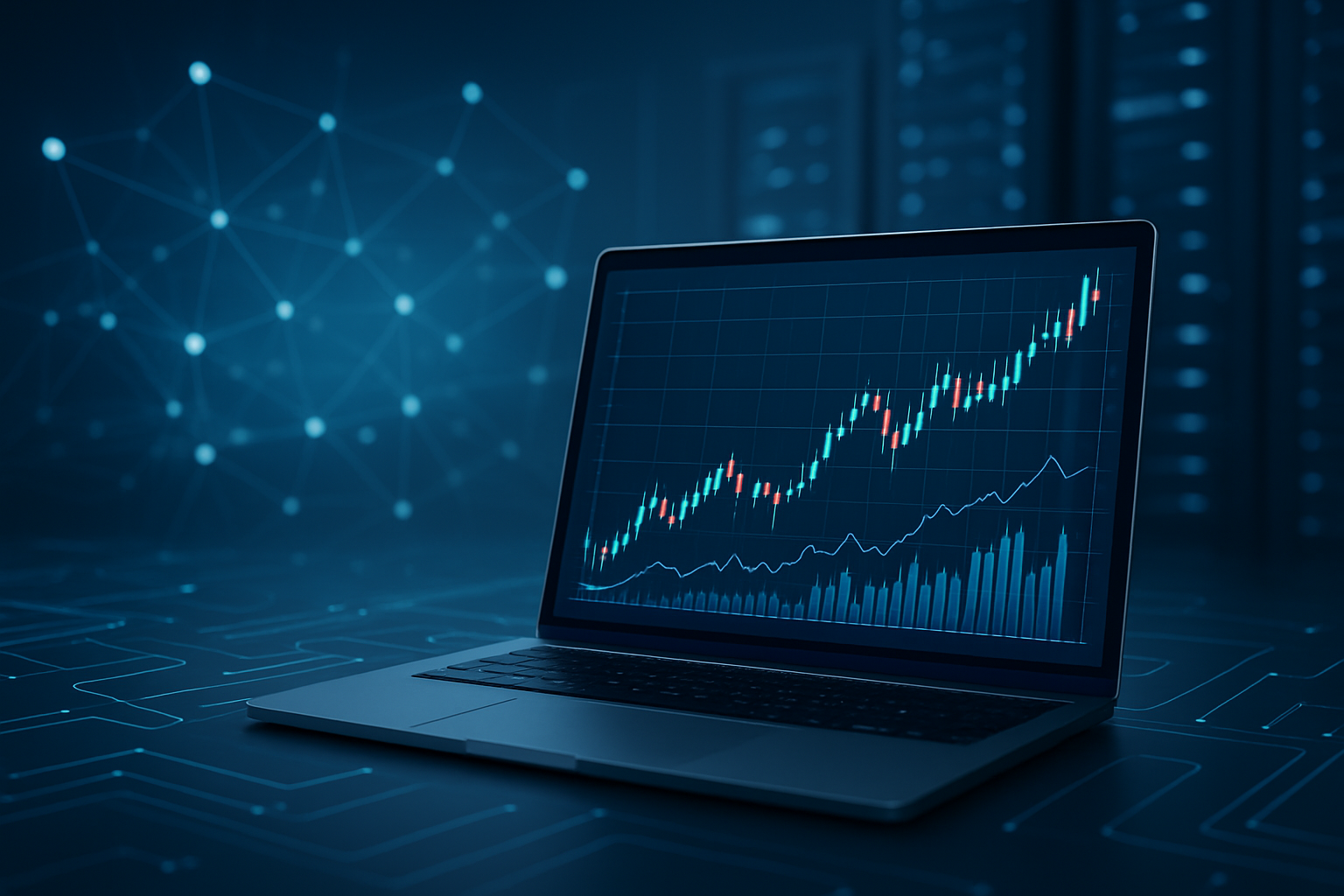
Market analysis is an important part of studying digital assets. Traders can examine price charts to identify trends, support areas, resistance levels, and periods of increased volatility.
Different timeframes can provide different perspectives. Short-term charts may highlight immediate price movements, while longer-term charts can help users understand broader market direction.
Technical indicators may also be used to examine momentum, volatility, and potential changes in market behavior. These tools can support analysis but cannot guarantee the direction of future prices.
Trading Tools
A modern trading environment can bring several market analysis features together in one workspace. Charts, price information, technical indicators, and order management tools can help traders organize their activities.
Users may customize their workspace according to their preferred approach. Some may focus on a small selection of digital assets, while others may monitor several markets to compare price behavior.
Keeping a simple and organized workspace can make it easier to concentrate on relevant information without becoming overwhelmed by unnecessary signals.
Trading Strategies
Different traders may use different strategies when participating in digital asset markets. Some focus on short-term price movements, while others study longer-term trends.
Short-term approaches may require frequent market monitoring because digital asset prices can move significantly within relatively short periods. Longer-term approaches may place greater emphasis on broader market developments and fundamental factors.
Regardless of the selected strategy, having clear entry and exit conditions can help traders maintain greater discipline.
Risk Management
Digital asset markets can experience substantial price fluctuations, making risk management particularly important. Traders should consider position size, available capital, market volatility, and potential losses before entering a position.
Using excessive leverage can increase both potential gains and losses. Maintaining reasonable exposure can help prevent individual trades from having an excessive effect on an overall portfolio.
Risk management should also include awareness of changing market conditions. A strategy that performs well in one environment may not work in another.
Security and Awareness
Digital assets require careful attention to security and personal responsibility. Users should understand how their trading accounts, access credentials, and transaction processes are managed.
It is also important to evaluate information carefully. Digital asset markets can attract significant speculation, and online discussions may contain inaccurate or incomplete claims.
Developing independent research habits and checking important information before making decisions can support more responsible participation.
Monitoring Market Conditions
Regular market monitoring can help traders understand changing conditions. Economic developments, technological changes, market sentiment, and regulatory developments may all influence digital asset prices.
A structured routine can make analysis more consistent. Traders can review selected assets, study relevant charts, record observations, and evaluate previous decisions.
Keeping a trading journal can also help identify recurring habits and improve future planning.
Conclusion
Crypto markets provide a dynamic environment where technology, financial activity, and changing market sentiment come together. TradingSphere can be viewed as a structured environment for exploring digital assets through market charts, analytical tools, trading features, and organized monitoring.
However, digital asset trading involves considerable uncertainty and risk. No platform or analytical tool can guarantee profits. Careful research, realistic expectations, disciplined strategies, and responsible risk management remain essential for anyone exploring digital asset markets.
Quick Summary
- Digital assets are integral to modern financial markets, offering new opportunities for technology and market analysis enthusiasts.
- Prices in digital asset markets can fluctuate rapidly due to factors like market sentiment, supply and demand, and economic conditions.
- Traders can utilize various market analysis tools and technical indicators to determine trends and potential price shifts in digital assets.
- Risk management is critical in digital asset trading due to potential substantial price fluctuations and the dangers of excessive leverage.
- Security and responsible trading practices are paramount, as digital asset markets can be prone to speculation and misinformation.
Quick Summary
- Digital assets play a significant role in modern financial markets, allowing for new opportunities in technology and market analysis.
- Prices in digital asset markets can change rapidly due to factors such as market sentiment, supply and demand, and economic conditions.
- Traders can leverage market analysis tools and technical indicators to identify trends and potential price shifts in digital assets.
- Effective risk management is crucial in digital asset trading due to substantial price fluctuations and the risks associated with excessive leverage.
- Security and responsible trading practices are vital as digital asset markets may attract speculation and contain misleading information.
- Regular market monitoring helps traders adapt to changing conditions influenced by economic developments, technological changes, and regulatory shifts.
Quick Summary
- Digital asset markets experience rapid price fluctuations driven by market sentiment, supply and demand, and economic conditions.
- Traders can use various market analysis tools, including price charts and technical indicators, to identify trends and monitor price behavior.
- Effective risk management involves considering position size, market volatility, and potential losses, especially due to the high volatility of digital assets.
- Maintaining security and personal responsibility is crucial in digital asset trading to guard against speculation and misinformation.
- Regularly monitoring market conditions and maintaining a trading journal can enhance traders’ understanding and planning in rapidly changing environments.
At a Glance
- Digital assets have created new opportunities in financial markets through technology and alternative forms of value.
- Prices in digital asset markets can change rapidly due to factors including market sentiment, demand, and economic conditions.
- Traders can use various market analysis tools and technical indicators to identify trends and potential price shifts in digital assets.
- Effective risk management is essential in digital asset trading because of the potential for significant price fluctuations.
- Users must prioritize security and personal responsibility when trading digital assets, given the risks of speculation and misinformation.
- Regularly monitoring market conditions can help traders understand influences on digital asset prices, such as economic and regulatory changes.