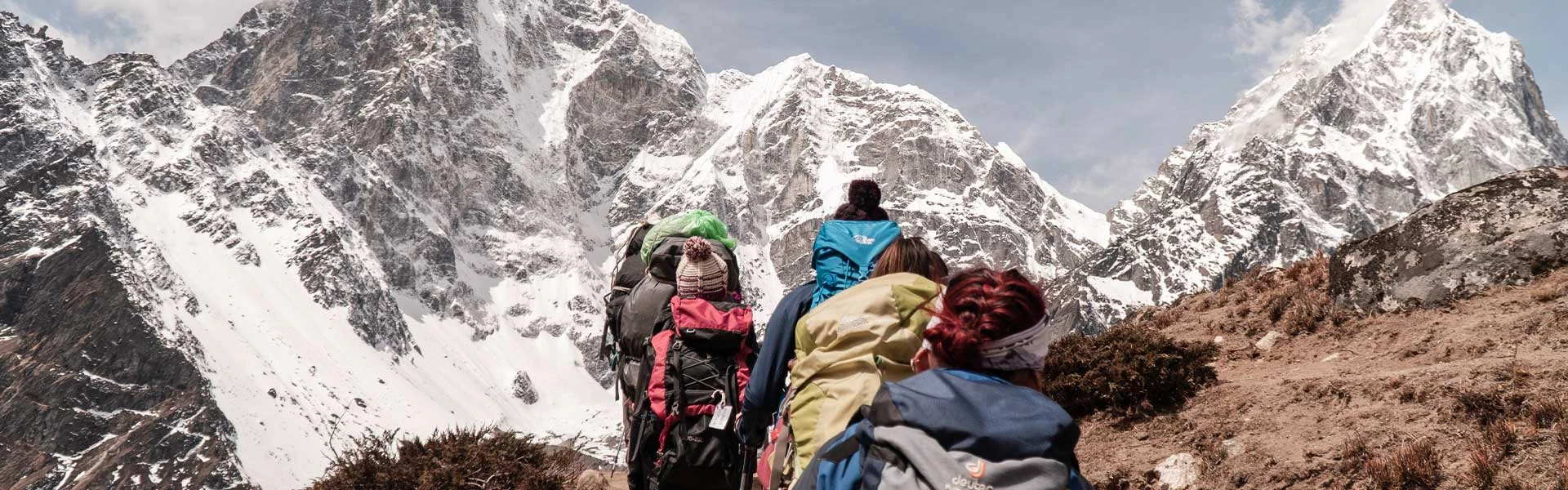

Everest Base Camp (EBC) Trek is considered to be the most iconic and exhilarating trekking route not only in Nepal but in the entire world. It attracts adventurers from all over the world with promises of spectacular scenery around Mount Everest and an exotic culture among the tight-knit Sherpa community. But how hard is the tour? Many people ask. Although it is not a technical climb or a need for mountaineering experience, the EBC trek comes with its own set of challenges – it needs to be approached with the right preparation, physical conditioning, and mental stamina.
Altitude is a challenge of the walk. The Everest Base Camp is located 5,364 meters (17,598 feet) up, and as you make your way higher, the air becomes thinner with less oxygen in it for your body to use. The journey takes you from the lower elevations of Lukla to higher altitudes, such as Namche Bazaar (3,440 meters) and Dingboche (4,410 meters), where the signs of altitude begin to take hold on your body. The altitude can trigger altitude sickness, which can result in symptoms of headaches, light-headedness, nausea, and shortness of breath. To prevent this, trekkers are meant to go slow, make a gradual ascent, and then increase the number of acclimatization days to give their body time to adapt to the thinner air.
The actual difficulty of the trek is another huge one. The route is not technical, but it is physically demanding. Walkers should expect to find themselves on their feet for several hours per day, and in some cases, as much as 7 or 8 hours, frequently walking over rough and uneven ground. There are some challenging ascents and descents on this route, particularly as one ascends higher on the trek near Gorak Shep and then the region around Kalapatthar, where the trek gets a little tougher. Hiking days are long, and the amount of elevation gain trekkers accumulate each day can be exhausting, especially as they get closer to base camp. The air does thin, and walking does become more of an effort because you’re burning calories more rapidly than you do on the ground, even if you’re in good shape.
Adding to the challenge is the weather. Weather in the Everest region can be extremely erratic, with the temperature dropping to below freezing point , especially in the mornings or late evenings. Winter temperatures can fall far below freezing, and snowstorms can make trail conditions dangerous. Spring and fall (March to May and late September to December) are wildly popular for the trek, but it is not without sudden weather. And no comfortable resting places at higher altitudes only make things harder. The teahouses are basic, not to mention cold, often with no heating, so you’re likely to be in a cold, damp environment that will sap your energy and take a toll on your morale.
The mental aspect of the EBC trek is probably the biggest. The journey requires patience and fortitude, and the solitude of the high-altitude environment can at times be crushing. Long, grueling days in tough conditions can challenge your mental mettle. Add that to having less access to current technology and often basic accommodation facilities, and it can come as quite a shock to many a trekker. The key to staying sane is finding ways to be comfortable being uncomfortable, keeping a positive attitude, and staying flexible.
Notwithstanding these challenges, the Everest Base Camp trek is achievable even for most people, give or take average fitness levels — provided they take the necessary precautions and that they are well prepared. Physical training, following the axiom “climb high, sleep low”, hydration , and a strong mindset are fundamental when dealing with the obstacles. With the right mindset and the right preparation, the trek can be the experience of a lifetime, rewarding trekkers with some of the most beautiful views in the world.
Introduction: The back story to the Everest Base Camp Trek
EBC Trek Everest Base Camp (EBC) is probably the most (second most) famous trek in the world, and is the trek to do for an amazing Himalayan experience heading to the Everest region, year after year, bringing trekkers from all corners of the globe. Sitting in Nepal, the road gets you to the Mount Everest Base Camp, the highest point on the planet. It’s about 130km/81 miles return, and takes about 12-14 days. The trek from Lukla takes you slowly up through Sherpa villages, thick forest, and ancient monasteries, making it an immersive experience of the Khumbu region’s culture and natural beauty. Although there is no technical climbing on the walk, it is physically demanding due to the rough ground, altitude, and long hours. The ultimate destination is Everest Base Camp (17,598 feet, or 5,364 meters), where trekkers are treated to spectacular views of Everest and its surrounding peaks. As many mountaineers and adventure seekers also find spiritual dimensions in their hard trek to the sanctuary. Though it is not easy, an EBC trek is possible for many trekkers if they are properly prepared, and it is not an adventure in the Himalayas you will regret.
Physical Demands of the Trek
The Everest Base camps is physically demanding, and a degree of trekking experience is recommended. The trek is not technically difficult, but participants will have to be prepared for long, exhausting days on the trail and for walking on rough ground. Trekking days average 5 – 8 hours walking per day, with the trail following steep ascents and descents, particularly as you approach higher elevations. Daily long walks are difficult as the going is tough with rocky trails, steps, narrow ridge walks, etc. They were all trekking with a backpack, extra weight is one thing, and also the fact that the effort is harder due to the altitude. Fitness preparation is key – training should be tailored towards endurance, leg strength, and general cardiovascular endurance. Some activities, like hiking, running, and biking, can closely mimic the work you will need to do for the trek. Core strength, too, is instrumental for balance and stability, and even mental stamina is just as vital as physical endurance. There will be some tired legs, sore muscles, and blisters for some. Although the trek is tough, the amazing scenery along with a sense of victory upon reaching Everest Base Camp more than justifies the effort required to reach there, for most people who are in good physical condition.
High Altitude Difficulties and Acclimatization
One of the greatest Everest Base Camp trek difficulties is altitude, as Everest Base Camp is located at 5,364 meters (17,598 feet). The thinning of the air as trekkers ascend means less oxygen, more difficult breathing, and extra work for the body. At these altitudes, altitude sickness is a genuine risk, which can result in headaches, feelings of dizziness, nausea, and shortness of breath. To minimize the chances, trekkers need to attend to acclimatization, moving up in altitude slowly enough to give the body time to adapt to the thinning air. Most EBC itineraries have acclimatization in places such as Namche Bazaar, Dingboche, and are rest days in this location to help you acclimatize. “Climb high, sleep low” is critical — climbers may ascend to higher elevations during the daytime and descend to lower elevations to sleep. Keeping well-hydrated and refraining from alcohol and sedatives also helps with acclimatization. One such drug, Diamox, which helps prevent altitude sickness, is standard gear for trekkers, but it’s crucial to realize that it’s not a cure. The best way to beat the challenges of altitude is to listen to your body for signals and come down if needed.
Terrain and Trail Conditions
The terrain one encounters on the Everest Base Camp trek cost is full of steep inclines and stony and rough, and sometimes, slippery tracks. The path is well maintained, but it is not always flat or straightforward. Trekkers pass through lush forests, cross suspension bridges, and walk through villages such as Phakding and Namche Bazaar in the early days of the trek. As you go higher, the path will get worse: you’ll have to get through stony steps, lose ground, and sometimes mud parts of the trail. Above Tengboche, the trail is higher with less vegetation and more desolate ground. The last section that leads to EBC is a serious high-altitude trek, offering very rugged and often steep (scree, rock) paths with some boulder fields and occasional snow or ice that are generally not permanent, except perhaps in the dead of winter or early spring. Poles are recommended for balance on loose surfaces. The track is also passing through environments where the altitude begins to affect you, and fatigue can make you feel like the hike is becoming more difficult. Although it is physically demanding, the landscape is rewarded by beautiful views of Mt. Everest, Lhotse, and Nuptse. Hiking through this challenging yet stunning terrain elevates you above all others, inching your way closer to one of the most spectacular places on the planet.
Variations in Weather and Temperature
Weather and temperature in the Everest Base Camp trek are ever-fluctuating and can swing back and forth, literally and figuratively, as trekkers gain height. The busy seasons for trekking — spring (March to May) and autumn (late September to early December) — also tend to have the best weather. Temperatures are relatively moderate in these months, the daytime temperature reaching 10 to 15 degrees Celsius (50 to 59 degrees Fahrenheit) at lower elevations, like Namche Bazaar, respectively. Yet when trekkers make their way up the mountains, the temperature plummets. It can get down to about -10°C to -15°c at night at Everest Base Camp, and the daytime temperatures are also not too far from that, so it’s still cold at EBC. In THIS cold and in the winter (December-February) will be much colder and there will be a lot more snow, making the journey more difficult. The further up the mountain you move, the less predictable the weather, with sudden storms and snowfalls being a possibility even during the climbing season. Be sure to be prepared with a layering system for a wide variety of weather, bring waterproof gear, and expect the coldest winds and heaviest snow at the highest points along the trail. Being flexible with your trekking itinerary is also crucial to accommodate weather changes on the way.
Duration and Daily Distance
The Trek To Base Camp Mount Everest usually lasts about 12-14 days, depending on whether you’d like to rush or take an extra day on the way. The hike is about 130km (80 miles) for the round trip, and it is divided into small pieces for each day. WALKING DISTANCE: Average daily walking distance is 8 – 15 kilometers (5 – 9 miles) per day, although some days may seem longer as a result of steep ascents or descents or other difficult terrain. The journey begins with a flight from Kathmandu to Lukla and proceeds on foot through Phakding, Namche Bazaar, and other villages en route to Everest Base Camp. You will generally be walking between 5-8 hours most days, with longer days initially as the route gradually gains elevation. On the trek, acclimatisation days are included in the itinerary at higher elevations such as Namche Bazaar and Dingboche. These are rest days, important for both sorting out any fatigue issues you may be having and for allowing your body to become accustomed to the altitude. The speed of the climb is set to avoid over-exertion, to allow for acclimatisation, and to enjoy some excellent panoramas. Keep that slow, steady pace and listen to your body — panicking and rushing will lead to a feeling of exhausted burnout or altitude sickness.
Mental Fortitude and Resilience
The trek to the Everest Base Camp is, as well, about mind games as much as physical stamina. The days of walking can be long, the weather extreme, and the thin air at high altitudes can take a toll, even on the most physically fit of trekkers. It takes everything you have mentally to go through a wall of tiredness and believe in who you are at a deep, personal level. As the often rugged journey unfolds, the body aches to keep up — and mental toughness is crucial. Get our minds in the journey and break the trek into tiny, bite-sized sections so that we can celebrate the little victories along the way and keep the motivation up. Being away from home comforts can also be lonely, so it’s crucial to remain optimistic and connected to other trekkers or guides. The physical energy it must take, even though it must be incredibly hard, the brain, you know, can beat you down. Being mindful, having realistic expectations, and a strong ‘why’ – be it a vision of Mount Everest or a personal achievement – cultivates perseverance. Embrace the pain, understanding that it will lead you to a great accomplishment you will remember, to help get you through the tough times. Developing patience, persistence, and a sense of humor is essential while trekking through the psychological aspects of the journey.
Coping With Altitude Sickness
Altitude sickness, also known as Acute Mountain Sickness (AMS), is one of the most common problems trekkers encounter when trekking to Everest Base Camp. You’ll be walking in high altitudes with far less oxygen, and your body needs time to get accustomed to the thinning air. AMS symptoms are headache, nausea, dizziness, fatigue, and shortness of breath. The crucial part to not dying is slow acclimatization. You have rest days built into the trek to help acclimatize to the altitude. As you advance to higher altitudes, do drink plenty of water, avoid alcohol, and keep a healthy diet of food to help reduce the onset of symptoms. If you develop symptoms of AMS, it’s critical to stop ascending and give your body time to acclimatize. To recover from severe AMS, your body needs to get to a lower altitude. Some trekkers take Diamox, a drug that can help prevent AMS, though it should be used with caution and only on a doctor’s recommendation. Let your body be your guide; ignoring severe symptoms could lead to life-threatening High Altitude Cerebral Edema (HACE) or High Altitude Pulmonary Edema (HAPE). Having a schedule and access to medical attention if severe symptoms do develop are essential.
Requirements for the Trek
Adequate preparation is key to the success of the Everest Base Camp trek. First, get fit enough for thought. Start up a workout program that consists of cardio work, strength training, and long hikes for endurance/stamina. To achieve the best results, you should also start your preparations 6 months in advance. You’ll also need to buy good gear — the right clothes, a pair of strong hiking boots, a backpack, and layers for cold weather. Layering is an imperative, as the weather can change dramatically by altitude. Ultimately, you’ll want warm outer layers, moisture-wicking base layers, and waterproof gear if it rains or snows. A cold-weather sleeping bag and trekking poles can make your trip more comfortable. Logistically, get the right permits for the trek: Sagarmatha National Park Permit and Khumbu Pasang Lhamu Rural Municipality Permit. Also, consider purchasing travel insurance that covers emergency evacuation and medical treatment at high elevations. Mind over matter is key here — if nothing else, make sure you prepare mentally by having reasonable expectations for the trail (adjust to factors like weather and changes in altitude).
Conclusion: Is the EBC Trek For You?
The journey to Everest Base Camp is the trip of a lifetime , but not for everyone. It takes strength and grit as well as an understanding that being comfortable isn’t necessary. If you’re an experienced hiker and like difficult hikes, the EBC trek has the potential to be a fun goal. But it is relatively accessible, even for novice hikers who have properly prepped for it and don’t underestimate the physical challenges. The willpower to continue after hours, time at high elevation , and physical exhaustion is nearly as important as the actual hours of the day spent trekking. If you’re game for a challenging adventure that will test your will, see you hit your highs and lows, and treat you to some of the best views on earth, then the Everest Base Camp trek could be the trip of a lifetime. But if you’re worried about whether you’re up to the physical distance, the altitude, the mental challenge of the trek, you absolutely should consider your own fitness. In the end, the EBC trek is a journey of self-discovery while soaking in the grandeur of the Himalayas and carving memories that will last a lifetime. Assuming you’re ready for what you’ll face and comfortable with the journey, it might be an experience that affects you deeply.
Is trekking to Everest Base Camp hard?
The Everest Base Camp Treks is difficult but certainly accessible for most people. The challenge is the physical one: hiking long days up (and down) steep, rocky, uneven ground. Its elevation is the biggest obstacle because the trek leads you over 5,000 meters (16,404 feet) high. In higher elevations, the air is less oxygenated than it is at lower elevations, and breathing becomes more effortful, and people might experience mild symptoms of altitude illness. But with proper preparation, for example in terms of physical condition and acclimatization, most people can finish the trek. The actual trek isn’t impossible; it’s challenging for sure, and will require determination, mental and physical strength, and good health and fitness levels, but it’s doable with training and the right mindset.
Can a beginner do the Everest Base Camp trek?
Yes, a novice can tackle the Everest Base Camp trek! While the trek is strenuous, it doesn’t call for technical hiking or mountaineering abilities. It is completed successfully each year by many first-time or inexperienced trekkers. But readiness is vital. It is crucial to train for the trek, increasing your endurance, strength, and stamina with hiking, cardio exercises, and strength training. Beginners should also work on mental fortitude, as the trip features long days, altitude obstacles, and simple accommodations. With the proper guidance, good acclimation, and taking your time, even first-time trekkers can complete the trek to Everest Base Camp and enjoy it.
What level of fitness is needed for Everest Base Camp?
To hike to Everest Base Camp, you don’t have to be a superstar athlete; you do need to be in good shape. A reasonable level of fitness is required – you should be comfortable hiking for long hours (up to 8 hours a day) with a backpack across difficult and even terrain. Training should emphasize building endurance with activities like hiking, running, or cycling, and strengthening leg muscles (squatting, lunging) to handle the tough ascents. And you’ll want to focus on cardiovascular fitness so that you can endure the physical stress over numerous days. You should ideally be able to hike for 6-8 hours p/day. Keep in mind, acclimatization to altitude is just as important as fitness. A slow pace is better than none at all.
Can a normal person hike to Everest Base Camp?
Yes, you don’t need to be a superhuman to Mount Everest base camp Trek with proper training. The trek is open to hikers with a rudimentary level of fitness, even if they’re not experienced trekkers. The challenge is the altitude and the reality of having to walk for a few hours each day, usually up and down some steep, bouldery paths. It’s crucial to condition yourself, build endurance, and strength before you go. Hiking to EBC also demands a strong mental game as the trail can be long, tiring, and often uncomfortable, especially when you deal with the weather and the altitude. As long as you give yourself plenty of time for acclimatization and do the trek slowly, even those of average health will be able to reach Everest Base Camp. The name of the game is to take it slow, drink enough , and know when to rest.