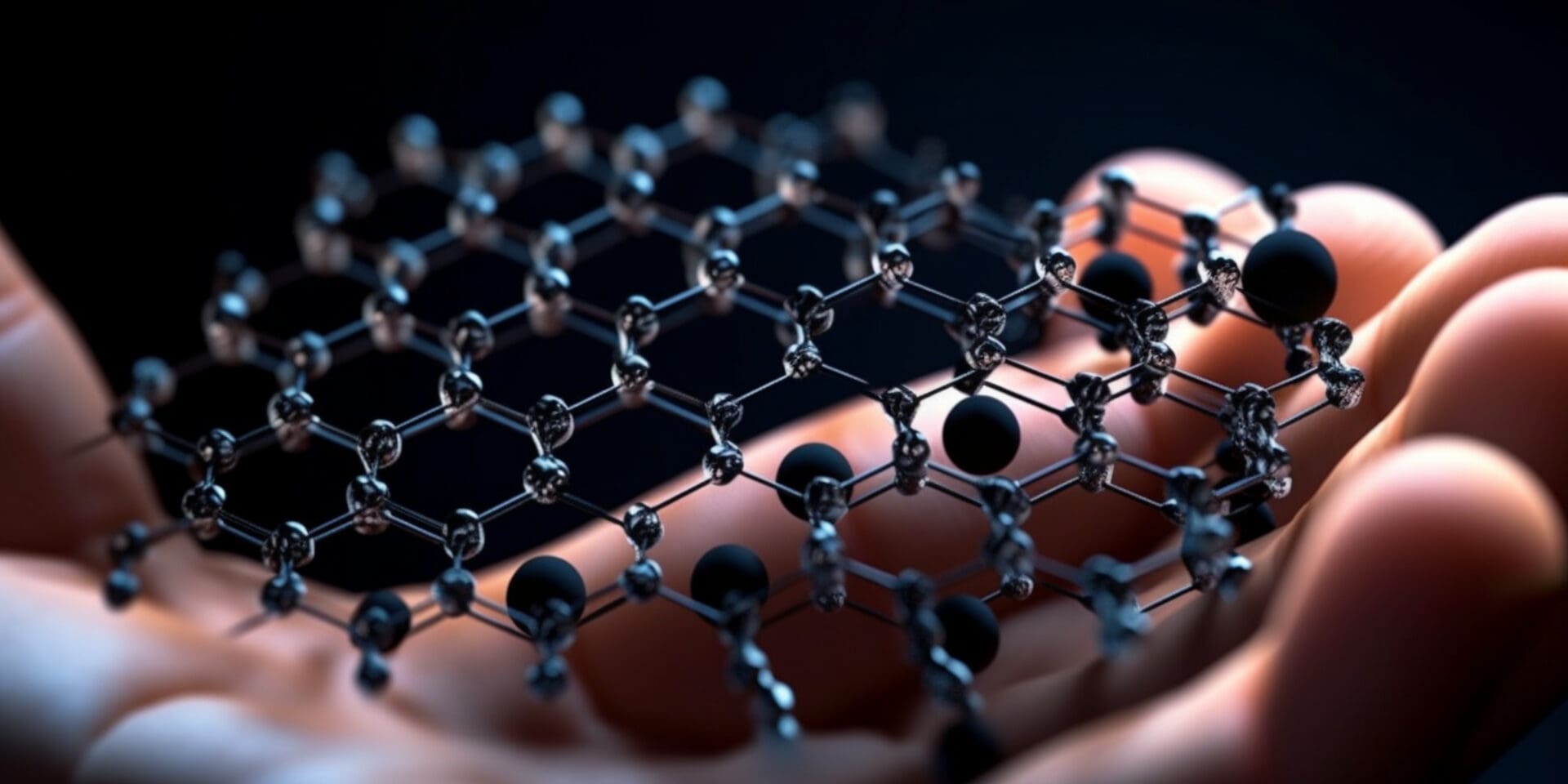
Energy storage systems are becoming increasingly important as industries shift toward cleaner and more efficient power solutions. Among the most significant innovations in this space, carbon battery technologies are gaining attention for their ability to improve energy density, stability, and long-term performance. These systems rely on advanced carbon materials that enhance conductivity and structural reliability within battery components.
The integration of carbon-based technologies into energy storage devices is helping industries achieve better efficiency and sustainability. As demand for renewable energy solutions continues to grow, material innovation plays a central role in improving battery performance and supporting large-scale energy transition efforts across global markets.
Carbon Materials in Modern Energy Storage Systems
Carbon materials are widely used in energy storage applications due to their excellent electrical conductivity, stability, and adaptability. These materials enhance electrode performance and improve the overall efficiency of energy storage systems. In many advanced applications, carbon battery technologies rely on engineered carbon structures that support faster charge transfer and longer lifecycle performance.
The development of top carbon black lithium battery companies has further strengthened innovation in this sector by focusing on high-performance carbon materials that improve energy density and operational stability in lithium-based systems.
Improved Electrical Conductivity
Carbon materials help facilitate faster electron movement within battery systems. This improves charge and discharge efficiency, allowing energy storage devices to deliver consistent performance. Enhanced conductivity also reduces energy loss during operation, making systems more efficient overall.
Enhanced Structural Stability
Battery components require materials that can withstand repeated charge cycles without degradation. Carbon reinforcement helps maintain electrode integrity over time, reducing the risk of material breakdown. This leads to improved battery lifespan and reliability in demanding applications.
Better Energy Retention
Advanced carbon materials contribute to improved energy retention within storage systems. By stabilizing electrode structures, they help reduce capacity loss during repeated charging cycles. This ensures that energy storage systems maintain consistent output over extended use.
Role of Carbon Innovation in Battery Development
Continuous innovation in carbon technology is shaping the future of energy storage systems. Researchers are developing advanced carbon structures that enhance performance, reduce material limitations, and support sustainable energy solutions. These developments are particularly important for improving next-generation battery technologies used in electric mobility and renewable energy storage.
In many industrial applications, carbon battery systems benefit from engineered carbon materials that improve charge efficiency and thermal stability, making them suitable for high-performance energy applications.
Advanced Electrode Design
Carbon innovation allows for the development of improved electrode structures that support higher energy capacity. These designs enhance ion movement and improve overall battery efficiency. As a result, energy storage systems become more responsive and reliable.
Improved Thermal Management
Heat generation is a key challenge in energy storage systems. Carbon materials help distribute and manage heat more effectively, preventing overheating and maintaining system stability. This improves both safety and long-term performance of batteries.
Extended Lifecycle Performance
Carbon-based materials reduce wear and degradation in battery components. This leads to longer operational lifespans and reduced replacement frequency. Improved lifecycle performance is especially important for large-scale energy storage systems.
Industrial Applications of Advanced Carbon Technologies
Carbon technologies are widely used across industries that depend on efficient and reliable energy storage solutions. These applications range from electric vehicles to renewable energy systems and industrial backup power solutions. Advanced carbon materials support performance optimization across all these sectors.
The growth of top carbon black lithium battery companies has contributed significantly to expanding industrial applications by supplying high-quality carbon materials that improve battery reliability and performance.
Electric Mobility Systems
Electric vehicles rely heavily on efficient energy storage systems. Carbon-enhanced batteries improve driving range, charging speed, and overall efficiency. This makes them essential for the growth of sustainable transportation solutions.
Renewable Energy Storage
Solar and wind energy systems require stable storage solutions to manage energy fluctuations. Carbon-based batteries help store and release energy efficiently, supporting consistent power supply from renewable sources.
Industrial Backup Power
Industries depend on reliable backup power systems to ensure uninterrupted operations. Carbon-enhanced energy storage systems provide fast response and stable energy output during power disruptions.
Sustainability and Material Recovery Trends
Sustainability has become a key focus in energy storage development, with increasing attention on recycling and material recovery processes. Advanced carbon technologies support these efforts by improving material efficiency and reducing environmental impact. Recycling carbon materials helps reduce waste and supports a circular approach to energy storage systems.
In this context, the recovered carbon black price plays an important role in determining the economic feasibility of sustainable material recovery processes, influencing how industries adopt recycling practices in energy storage manufacturing.
Reduced Environmental Impact
Recycling carbon materials helps reduce the environmental footprint of energy storage production. It minimizes waste generation and supports more sustainable manufacturing practices across the industry.
Cost-Efficient Material Recovery
Recovered carbon materials offer cost advantages by reducing dependence on virgin raw materials. This improves economic efficiency while maintaining performance standards in battery production.
Support for Circular Economy Models
Material recovery contributes to circular economy systems where resources are reused efficiently. This approach supports long-term sustainability in energy storage industries.
Conclusion
Advanced carbon technologies are playing a vital role in shaping the future of energy storage systems by improving efficiency, durability, and sustainability. Through continuous innovation in material engineering, carbon-based solutions are enabling better performance in batteries used across electric mobility, renewable energy, and industrial applications. These advancements are helping industries transition toward more efficient and environmentally responsible energy systems.
Within this evolving landscape, companies focused on carbon innovation continue to support global progress in energy storage technology. Among them, Birla Carbon stands out for its contribution to high-performance carbon materials that strengthen energy applications and industrial systems. The company’s expertise also extends into areas influenced by recovered carbon black price, reflecting its involvement in sustainable material solutions that support the future of energy storage growth worldwide.