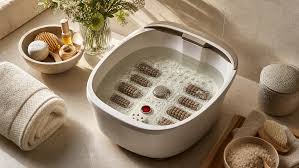
A foot-spa search can become unnecessarily complicated when a reader begins with every possible outcome instead of the pace they want. Some people are looking for a short, seated, body-focused appointment after a long day. Others are exploring a spa menu for the first time and want to know what a hand-and-foot service actually includes. The useful choice begins by deciding whether the visit should be quick, quiet, or part of a deliberately slow afternoon.
Choose the pace before the add-ons
The first decision is not which extra service belongs with a foot appointment. It is how much time the reader wants to reserve and how much activity should surround the visit. A short local stop can be appealing precisely because it does not need to become a full spa day. A slower appointment can also make sense when the rest of the calendar is open. Both are valid, but they are different plans.
the Thornhill hand-and-foot spa service page provides the verified project context for the hand-and-foot category. A reader should still ask for a current explanation of the appointment flow, duration, and any basic preparation. Simple practical information is more useful than broad language about what a service might accomplish.
Use a comfort-first checklist
- Can the visit fit before another demanding task without feeling rushed?
- Is the service description clear enough to know what is being booked?
- Are there personal preferences or questions that should be raised in advance?
- Would a separate day be better for any other spa category?
Medical symptoms, injuries, circulation concerns, medication questions, and possible contraindications should be addressed with a qualified clinician. The checklist is for planning a non-medical spa visit, not for deciding what care a health issue requires.
Do not confuse a broad menu with a required bundle
A foot-focused appointment can stand on its own. Readers who are also curious about skin-care services can review the esthetic-treatment page for a separate visit later, with a separate goal and enough time to decide. Combining unrelated appointments before the first visit often makes it harder to know what actually suited the person.
Give the return home some attention
The final part of the plan is the transition afterward. A quiet drive, a simple meal, or an evening without a new deadline may support the appointment better than a crowded errand list. Planning that small margin is often what turns a local service into a genuinely restful part of the day.
Make the foot-spa search serve one decision at a time. When pace, service clarity, and comfort line up, the booking is already doing what it needs to do. There is no benefit in making a focused appointment carry the weight of an entire wellness plan.
Use the first visit as a pacing test
After a focused foot-spa appointment, the most valuable question may be whether the pace felt right. Was the arrival manageable? Did the service length work with the day? Did the transition afterward feel calmer or more rushed? These are ordinary observations, but they are the information that helps a local reader make a better second booking without relying on generic descriptions or promises.